
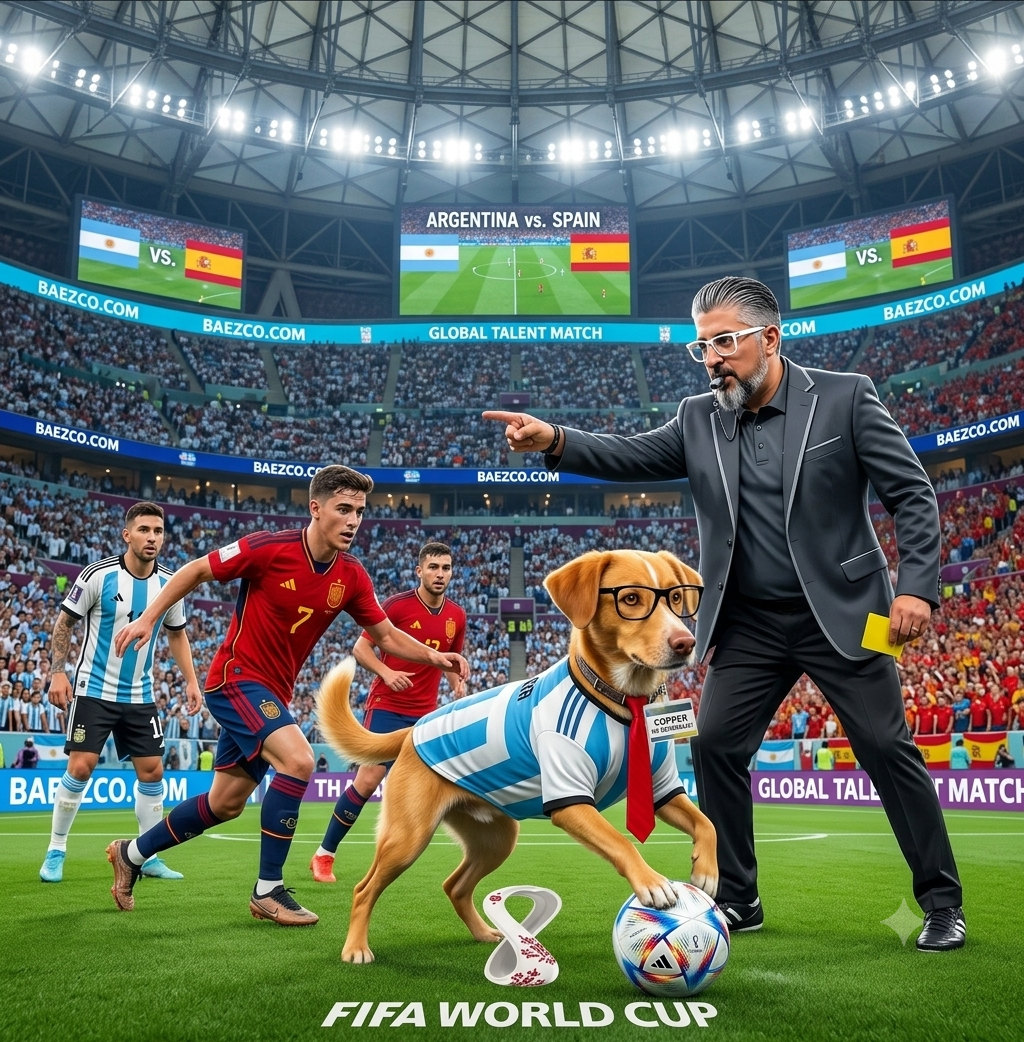
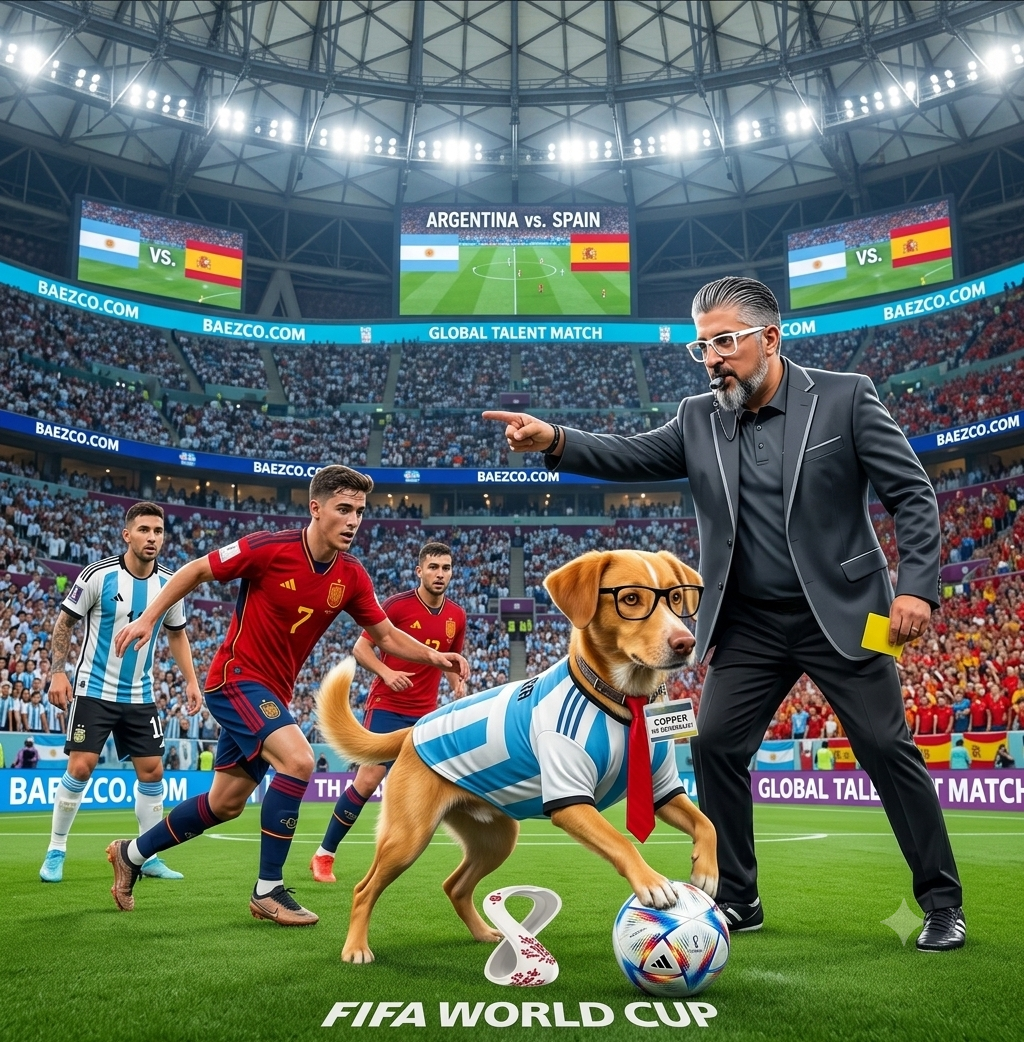
For 39 days, this country agreed on something for once. Neighbors who never talk stood in the same bar high fiving strangers. Coworkers who barely speak in the break room spent their lunch arguing about offside calls. Then Spain beat Argentina 1-0 in extra time to win the final game, the trophy got lifted, and the moment ended. That kind of energy doesn't have to disappear just because the tournament did.
What This World Cup Actually Proved
This wasn't a normal World Cup. It was the first ever to include 48 national teams, up from 32 in every tournament before it, opening the door for ten African nations that wouldn't have qualified under the old format.
More teams meant more matches, more host cities, and more people in the stands. Fans filled stadiums across the US, Mexico, and Canada at a rate that set an all time attendance record, with more than 6.5 million people showing up in person.
Behind the scenes, the tournament ran on people from everywhere. Just the workforce moving teams and equipment during the group stage included more than 4,700 people from 134 different nationalities. Add in over 40,000 volunteers from 162 countries and territories, and you've got proof that a massive, complicated operation can run well when it's built on people from all over the map, not despite it.
Diversity Wasn't a Talking Point. It Was the Whole Operation.
Nobody watching the World Cup thought about diversity training. They just watched it work. Different countries, different languages, different playing styles, all pointed at one goal everybody understood: win the tournament.
That's the part most workplaces get backwards. Leaders roll out an inclusion initiative once a year, take a photo, and call it done. The World Cup didn't run on a slogan. It ran on a shared goal specific enough that everyone involved, players, volunteers, the crews building the sets, knew exactly what they were working toward.
The Problem With a One Month High
Here's what happens next. The flags come down. The watch parties stop. Everybody goes back to work Monday and mostly forgets the guy two cubicles over who bonded with them over Morocco's run in the tournament.
That's the risk with any big shared moment. It feels amazing while it's happening, and it fades the second the event ends, because nothing was built to keep it going. If the only time your team feels connected is during a company holiday party or a big product launch, you don't have a culture. You have an event calendar.
How to Keep the Energy Past the Final Whistle
You don't need a 48 team tournament to build the kind of unity the World Cup created. You need three things your business can actually do.
Give people a goal they can see. The World Cup worked because everyone knew exactly what winning looked like. Your team needs the same thing. A vague mission statement doesn't rally anyone. A specific, visible target does.
Make room at the table on purpose. Ten African nations got a real shot this year because the format expanded to let them in. Look at who's actually sitting in your meetings and making decisions. If it's the same five people every time, you're running a smaller tournament than you think you are.
Build repeat moments, not one-off events. A World Cup happens once every four years and people still remember it that long. Your team needs smaller versions of that same feeling more often. Regular check-ins where people actually get heard. Recognition that happens monthly, not once a year at a banquet.
KEEP IT GOING
The World Cup proved that people from completely different backgrounds can rally around one goal for over a month straight, cheering for each other's countries almost as hard as their own. What's stopping your team from doing that the other eleven months of the year?
Want help putting this into practice? Visit baezco.com to learn how we work with businesses like yours.